Biodiversity Net Gain | Off-site units
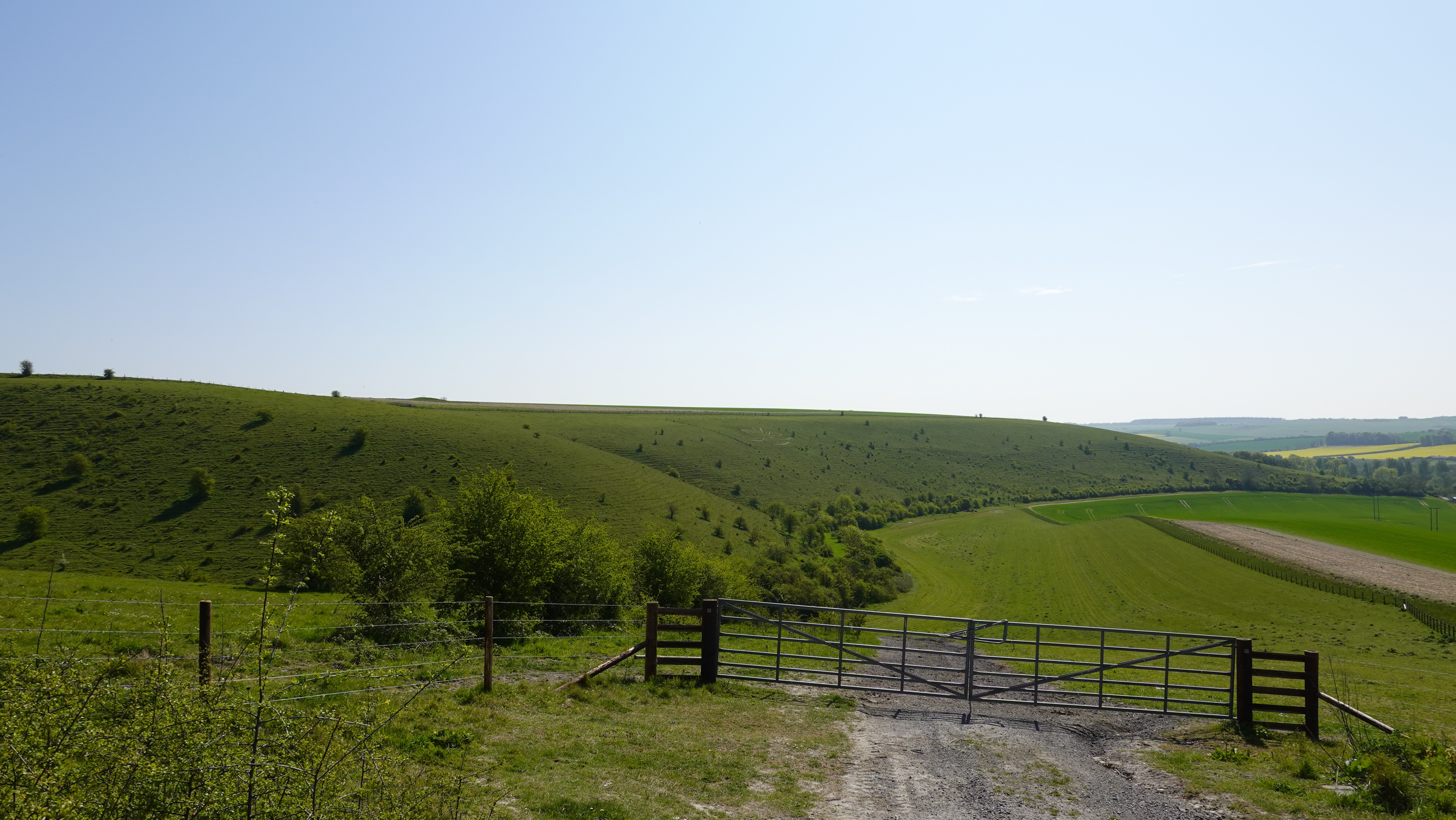
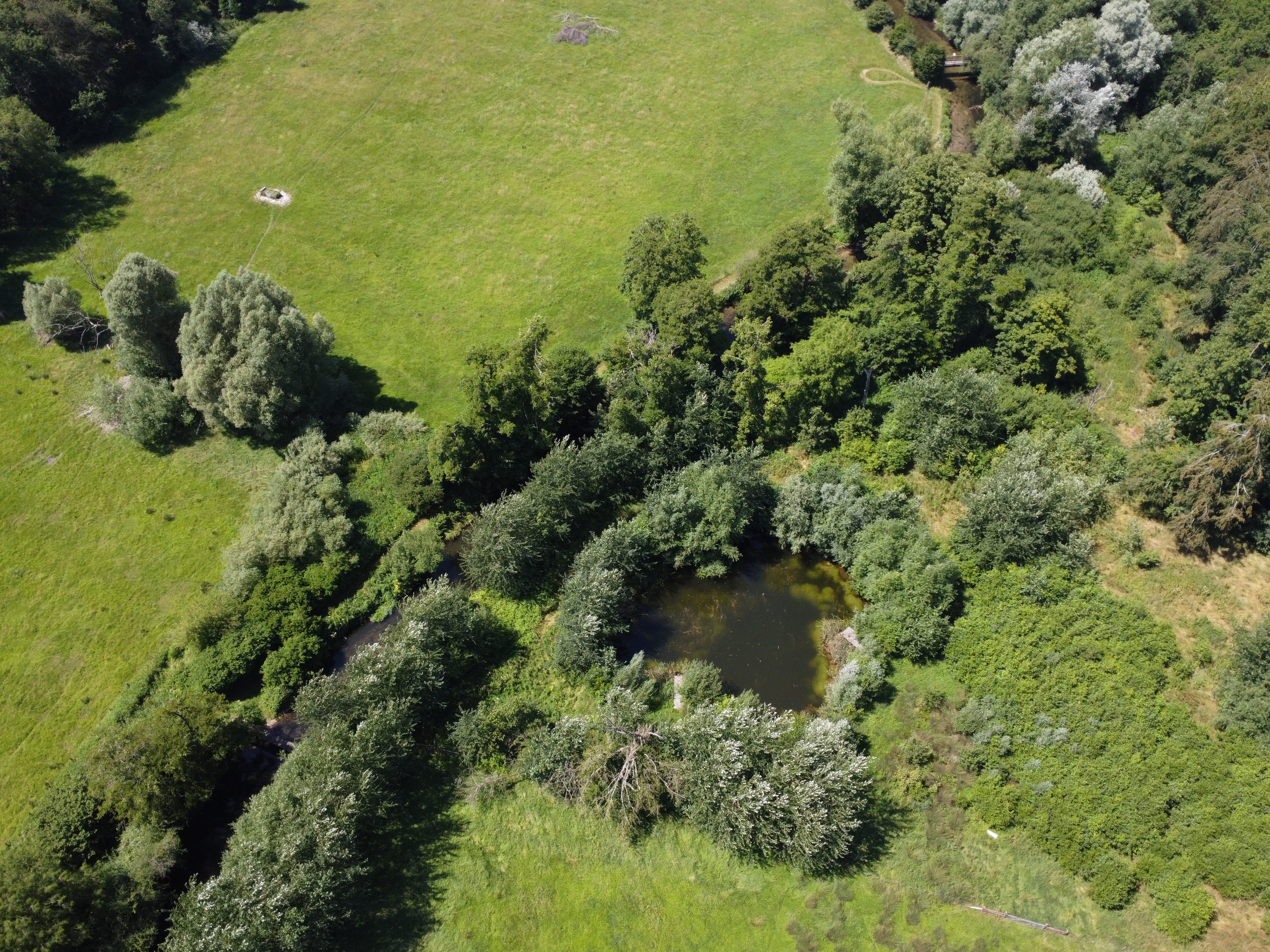
Nature restoration in the Wylye Valley, Wiltshire.
East Farm Habitat Bank is restoring farmland in the Wylye Valley into a mosaic of habitats. This creates a secured, long-term supply of Biodiversity Net Gain (BNG) units.
- Units available
- 394
- Delivered across
- 80+ ha
- Secured for
- 30 years
At a glance
394 biodiversity units available
Delivered across more than 80 hectares
Chalk downland and grassland habitats, at a range of distinctiveness levels
Legally secured for a minimum of 30 years by conservation covenant
Registered on the statutory biodiversity gain sites register
Additional capacity available via Environmental Farmers Group
A registered off-site source of Biodiversity Net Gain units.
Under UK law, most new development must leave nature measurably better off than before it was built. Where a scheme cannot deliver that gain on its own site, it may purchase units from a registered off-site provider.
East Farm Habitat Bank is one of those providers. Our units are quantified under the statutory biodiversity metric and secured for a minimum of 30 years by conservation covenant.
From 2 November 2026, Biodiversity Net Gain also becomes mandatory for Nationally Significant Infrastructure Projects (NSIPs), which will need to deliver at least 10% BNG. East Farm Habitat Bank is positioned to supply units to NSIP schemes as well as standard planning applications.
Chalk downland and grassland habitats, at a range of distinctiveness levels.
Restoration across more than 80 hectares is creating a connected mosaic of habitats on the valley floor and its slopes, producing a quantified and registerable supply of units.
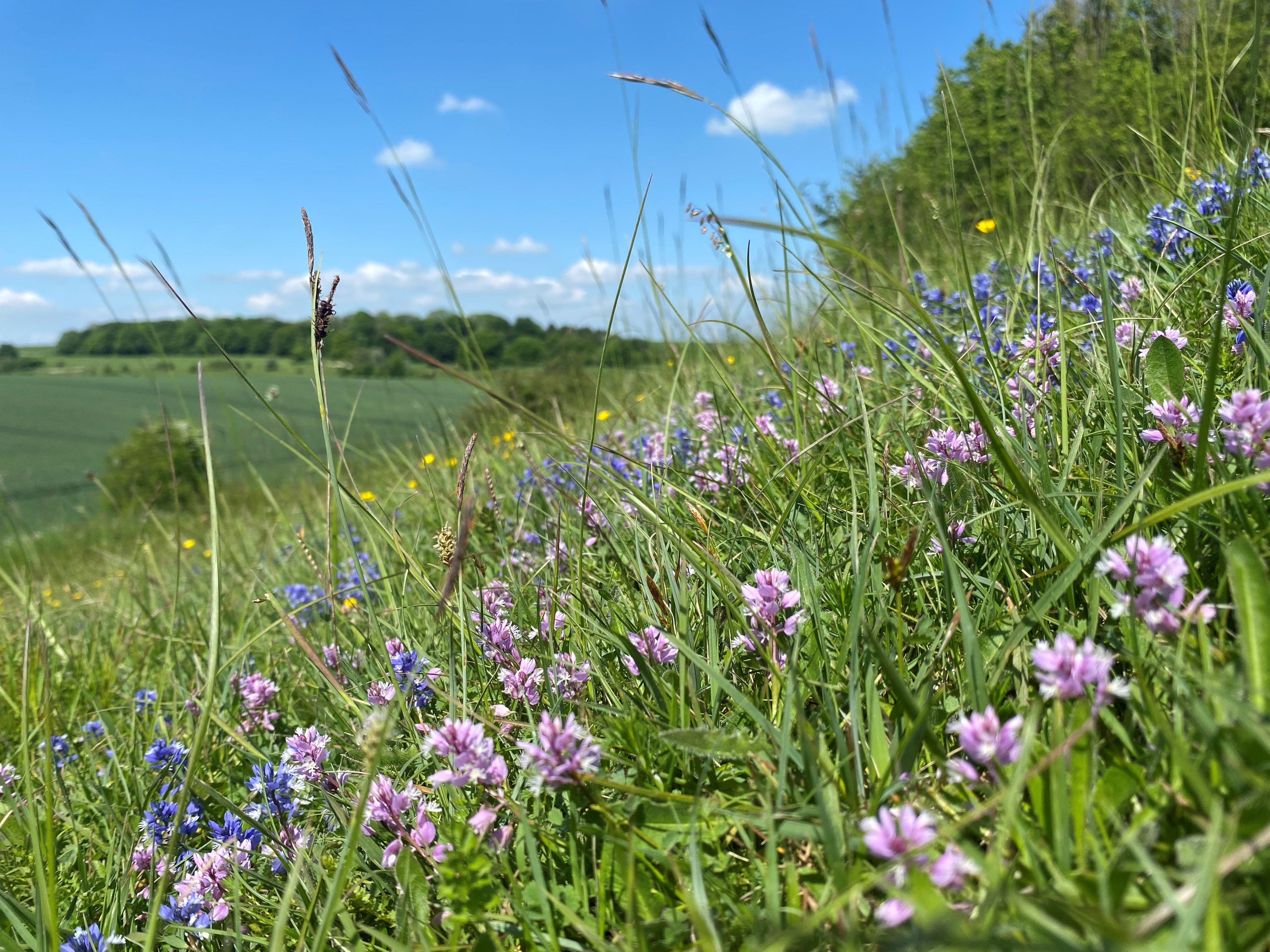
Wildflower meadow
Fig. 2Species-rich chalk grassland sown with native wildflowers and fine grasses, cut and grazed on a botanical management regime.
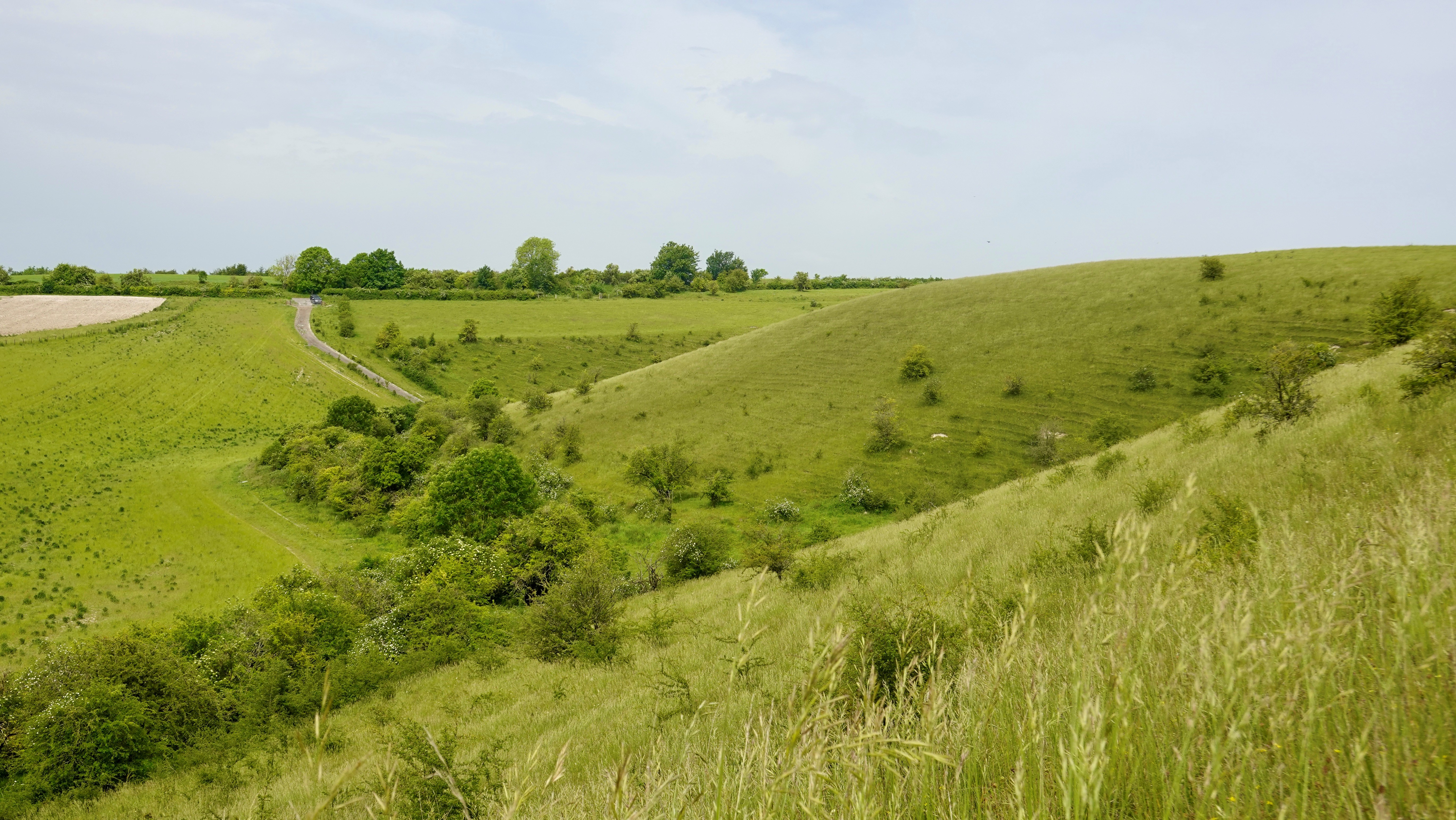
Scrub and hedgerow
Fig. 3Native shrub margins of hawthorn, blackthorn and dogwood, adding structural habitat for birds, invertebrates and small mammals.
Wood-pasture parkland
Fig. 4A rare habitat type: scattered broadleaf trees in open grassland, delivering woodland-edge continuity and future veteran trees.
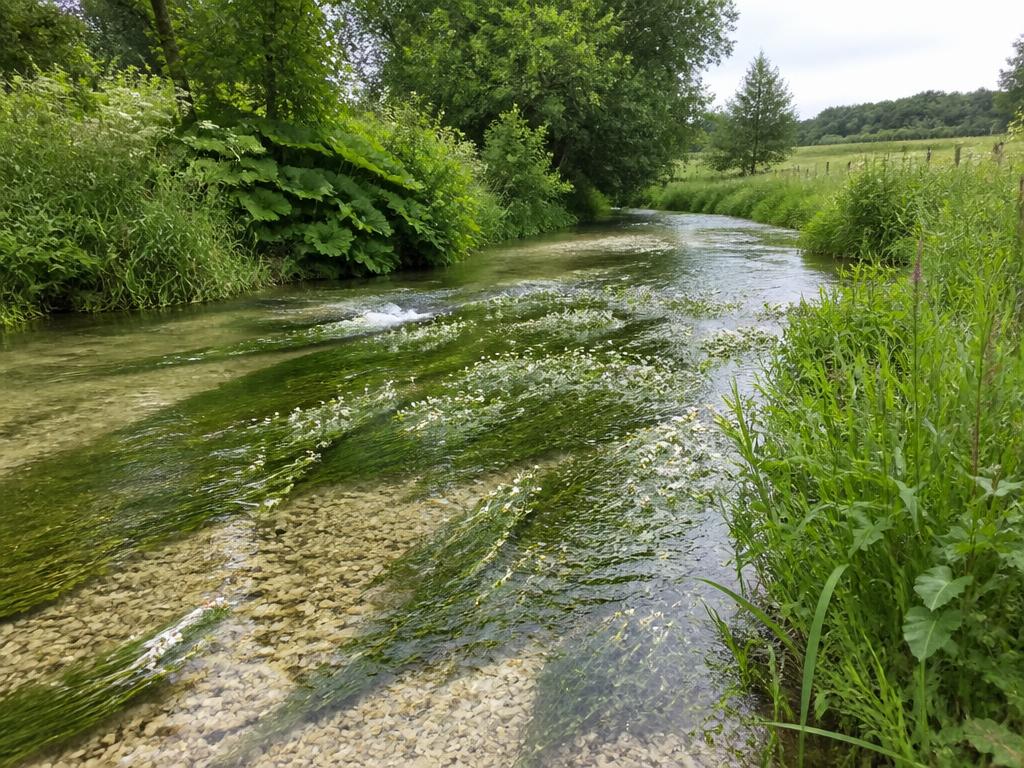
Restored chalk stream
Fig. 5Clear, shallow watercourse over clean chalk gravel, restored for aquatic plants, invertebrates and characteristic chalk-stream fauna.
Legally secured, registered, and held for the long term.
The land at East Farm Habitat Bank has been under the same ownership for over a century. The first farmland-to-nature restoration project took place over two decades ago, and new projects have been delivered at a steady rate ever since.
Bringing forward a habitat bank to supply statutory credits builds directly on that track record of long-term habitat delivery and management.
- Legally secured for a minimum of 30 years by conservation covenant.
- Registered on the statutory biodiversity gain sites register.
- Over a century of continuous ownership in the Wylye Valley.
- Additional capacity available via Environmental Farmers Group.
394 biodiversity units across 80+ hectares, with a single point of contact.
We are bringing forward 394 biodiversity units across a range of habitat types and distinctiveness levels, delivered across more than 80 hectares.
Should we not be able to supply all of your exact needs in-house, we can draw on our colleagues at Environmental Farmers Group to aggregate bespoke packages of units through a single entity.
Housing schemes
Local plan allocations and windfall sites across Wiltshire
NSIP promoters
Road, rail and grid schemes requiring at least 10% BNG from 2 November 2026
Solar and energy
Ground-mounted generation and storage projects
Local authorities
Planning obligations and council-led development
What is a BNG habitat bank?
A BNG (Biodiversity Net Gain) habitat bank is land that has been restored and legally secured to generate biodiversity units, which developers can purchase when they cannot deliver enough biodiversity gain within their own development site.
How many biodiversity units does East Farm Habitat Bank have available?
East Farm Habitat Bank has 394 biodiversity units available, delivered across more than 80 hectares of chalk downland habitat in the Wylye Valley, Wiltshire.
How long are the biodiversity units secured for?
Units at East Farm Habitat Bank are secured for a minimum of 30 years by conservation covenant, in line with UK statutory BNG requirements.
Who can buy biodiversity units from East Farm Habitat Bank?
Developers, ecologists, local authorities, and Nationally Significant Infrastructure Project (NSIP) promoters can purchase units from East Farm Habitat Bank to meet their statutory biodiversity net gain requirements.
Where is East Farm Habitat Bank located?
East Farm Habitat Bank is in the Wylye Valley, Wiltshire in Southwest England and supplies biodiversity units to schemes in Wiltshire and nationally.
Talk to us about units for your scheme.
If you are a developer, ecologist, local authority or NSIP promoter looking for a credible source of biodiversity units in Wiltshire or beyond, please get in touch. We can supply habitat schedules, metric outputs, unit pricing and registration documentation.
Telephone
+44 (0)1380 000 000Please include
Development location, units required and preferred timescale.